
Family Dental Group Logo
  • Pay my bill
  • Patient login
  • Blog
  • Contact
  • Careers
  • Emergencies
  • Locations
    • I have a dental issue
    • Emergency Dentist
    • General Dentistry Services
    • Gum Treatment
    • Oral Surgery
    • Oral Surgery Services
    • Periodontics
    • Root Canal and Endodontics
    • Sedation Dentistry
    • Sleep Apnea Treatment
    • Tooth Extractions
    • I want to improve my smile
    • Braces
    • Cosmetic Dentistry Services
    • Dental Fillings Crowns Bridges
    • Dental Implants
    • Full and Partial Dentures
    • Implant-Supported Dentures
    • Invisalign®
    • Orthodontic Services
    • Porcelain Veneers
    • Teeth Whitening
    • I need a check up or cleaning
    • Childrens Dental Care
    • Dental Exams and Teeth Cleaning
    • Pediatric Dentistry
    • Dental payment options
    • Dental insurance
    • Smile Alliance Club
    • Dental financing
    • Special offers
    • Medicare Advantage
    • Good faith estimate
    • About us
    • Patient information
    • Dental reviews
  • Book appointment

Home

Blog

Uncover the Truth About Root Canal Treatment

Uncover the Truth About Root Canal Treatment

March 21, 2022 By Family Dental Group

Uncover the Truth About Root Canal Treatment

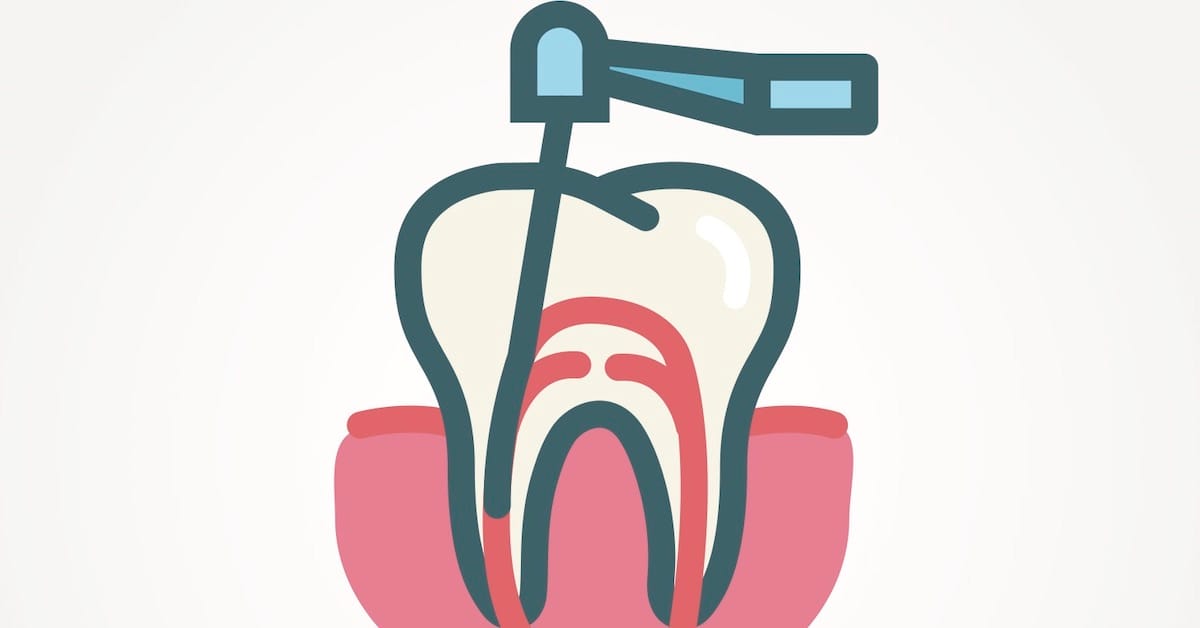
Every tooth has two parts; the crown and a root or several roots. Teeth also have three layers, with pulp being the innermost layer. There's a pulp chamber in the crown and pulp canals that extend into the roots. Trauma or a deep, untreated cavity can allow bacteria to reach the pulp, making it infected and inflamed. The pulp contains nerves, so this can be very painful. The infection can spread throughout your mouth, and in extreme cases, the rest of your body. Root canal treatments remove the pulp, stop the pain, and get rid of the infection. They will save your tooth. An extraction is the only other way to achieve these benefits, but you don't want to lose a tooth if you can avoid it.

How Would I Know if I Need a Root Canal?

While only a dental professional can say you need root canal therapy, these are the common warning signs of needing one:

  • A tooth that hurts badly or throbs constantly
  • Cheek swelling near the tooth
  • Serious pain when you apply pressure to the tooth
  • A foul taste in your mouth
  • The affected tooth is becoming dark
  • An abscess or a slight bump above the tooth

If you are experiencing any of the above symptoms, that is not normal and should be reviewed by a dental professional immediately. If you wait to long, you risk making the problem worse. Tooth problems that get worse require more complex, invasive, and expensive procedures to fix them. Don’t let your dental heath suffer, call you local dentist today.

What Are the Most Common Concerns Regarding Root Canals?

These are the most common questions people have when they learn they need a root canal are usually the following:

  1. Is a root canal treatment right for me?
  2. Are there other options to save my tooth?
  3. Does a root canal hurt during or after the procedure?
  4. How do dentists perform root canals?
  5. How long will it take it to have a root canal done and get a crown placed?
  6. Will I get a local anesthetic first?
  7. Are there risks in having a root canal treatment?
  8. Will my tooth be strong after I'm done?
  9. What does a root canal treatment cost on average?
  10. Will dental insurance cover the procedure and the crown afterward?

How Does a Root Canal Procedure Work?

A root canal procedure begins with a dental exam to determine if the treatment is needed. Your dentist will also take x-rays to help him or her plan the treatment. Your dentist will also need your medical history and a list of all medications you take. If the infection is especially severe, you may to take antibiotics for a few days before the procedure. The antibiotics will help to bring the infection under control enough so that the dentist can remove the infected pulp without excess pain or risk of making the infection worse.

For the normal procedure, you can expect:

A Local Anesthetic

Your dentist will numb your tooth and then wait to begin until you can't feel any sensation in the area. Your comfort is always a priority.

The Dental Dam

A dental dam is just a soft sheet of plastic with a hole in it to expose the tooth having treatment. This keeps saliva, which contains bacteria, from entering the root canals once they are clean.

Getting the Pulp Out

To reach the pulp, your dentist will have to drill a hole in your tooth. This is usually done in the back of front teeth or the chewing surface of back teeth. Once your dentist can reach the pulp, he or she will remove it with special instruments. The canals are shaped and disinfected to prepare them to receive a filling.

Filling the Canals

Your dentist will use a biocompatible material, such as gutta-percha to fill the canals. It's heated and pressed against the canal walls to create a tight seal, so no bacteria can get in. The access hole is closed with a temporary filling.

The Final Restoration

Your dentist will go over your need for a crown to restore the tooth fully. In a few cases, a crown may not even be necessary, although it's a good idea to preserve the tooth for a long time.

Your dentist can usually finish a root canal procedure in 30 to 90 minutes. Front teeth have only one root and take the least amount of time. Molars can have four root, so they take the longest to treat.

Will I Feel Pain After a Root Canal?

Not a lot. You may feel some tenderness and sensitivity as the tooth heals. These symptoms usually only last a few days. An OTC pain reliever recommended by your dentist can ease the mild symptoms. If you have sharp pain, contact your dentist as soon as you can.

The Healing Process

You can help the treated tooth heal by:

  1. Avoiding using it to chew until a crown goes over it. At the very least, don't bite or chew any hard food or ice using the tooth.
  2. Eat before your root canal procedure since you shouldn't eat until the local anesthetic wears off. You could accidentally bite your fork, cheek, or tongue.
  3. Refrain from smoking during the week after your procedure if you can. Smokers have longer healing times.
  4. Follow any specific instructions from your dentist.
  5. Be careful brushing and flossing around the treated tooth. Don't ignore your dental hygiene.

Final Restorations

Root canal therapy is only the first step in restoring a tooth's full functionality. You also need a crown placed on the tooth. Crowns completely cover teeth, giving them back their strength. A natural looking crown can also restore the tooth's appearance if it darkened.


Recent articles

tooth sensitivity Tooth Sensitivity in Hudson Valley
Taking Care of Your Smile in Hudson Valley Taking Care of Your Smile in Hudson Valley
do i need cosmetic dentistry Is Cosmetic Dentistry in Hudson Valley Right for Me?

Book your appointment today.

Book appointment
Family Dental Group Logo
  • Dentists Office of The Hudson Valley (Affiliated Practice)
  • Family Dental Group of Brewster
  • Family Dental Group of Fishkill
  • Family Dental Group of Jefferson Valley
  • Kids Family Dental (Affiliated Practice)
  • Saw Mill Dental (Affiliated Practice)
  • Braces
  • Childrens Dental Care
  • Cosmetic Dentistry Services
  • Dental Exams and Teeth Cleaning
  • Dental Fillings Crowns Bridges
  • Dental Implants
  • Emergency Dentist
  • Full and Partial Dentures
  • General Dentistry Services
  • Gum Treatment
  • Implant-Supported Dentures
  • Invisalign®
  • Oral Surgery
  • Oral Surgery Services
  • Orthodontic Services
  • Pediatric Dentistry
  • Periodontics
  • Porcelain Veneers
  • Root Canal and Endodontics
  • Sedation Dentistry
  • Sleep Apnea Treatment
  • Teeth Whitening
  • Tooth Extractions
  • Find a dentist near you
  • Privacy policy
  • Notice of Privacy Practices
  • Site map

© 2026 Family Dental Group. All rights reserved. The above-listed practice complies with applicable Federal civil rights laws and does not discriminate on the basis of race, color, national origin, age, disability, or sex. Notice of non‑discrimination.

(845) 512-1188
(845) 512-1187
(845) 512-1191
(914) 297-6722
(845) 512-1186
(914) 297-6723